How to evaluate AI
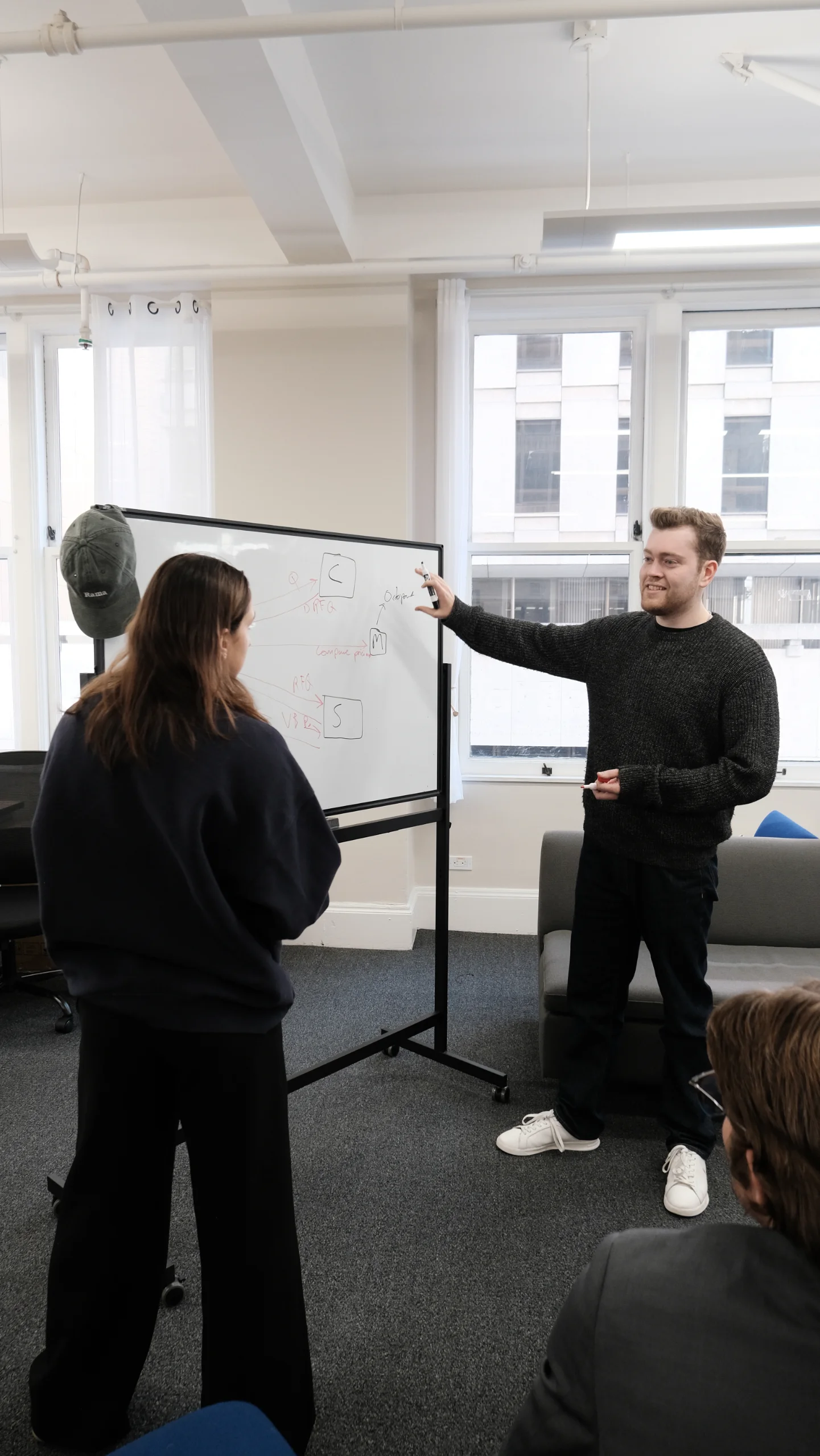
Eight questions to ask vendors before you sign.
What the research says
Before you build.Source: MIT NANDA, The GenAI Divide: State of AI in Business 2025.
Five ways a pilot goes nowhere
- Tested on demo data
A tool that shines on a vendor’s sample RFQs can stumble on yours. Insist on your own.
- No owner on your side
Pilots drift without one person who owns the result and the weekly check-in.
- Too much at once
Start with one job and a small group, like two team leads, then roll out.
- Reps asked to change tools
If it lives outside the inbox and ERP they already use, adoption stalls.
- No agreed number
Decide upfront what success looks like: response time, quotes sent or margin held.
Build it in-house, or buy?
| Build in-house | Buy Rama | |
|---|---|---|
| Time to value | Depends on scope and team; typically months to build and test | Live in about 10 days |
| Cost & upkeep | No licence fees, but engineering time up front and ongoing maintenance | Predictable pricing, maintenance included |
| Team & focus | Worth it when you have the people and expertise to build it, run it and keep it improving | A specialist team, so yours stays on core work. Best when AI isn’t your primary focus |
| Your ERP | Built exactly to your systems; each connector is yours to maintain | Connects to Epicor, SAP, NetSuite, Dynamics, Acumatica and more |
| Data & pricing | The right call for logic that’s truly unique to your business; accuracy depends on your data and ongoing tuning | Every format read; market and margin data on each line |
| Roadmap | You own the roadmap and every decision on it | Built in partnership with your team; your feedback shapes what comes next |
| Compliance & security | Well suited to paperwork; part checks and audits stay with your team | Vision-based counterfeit checks, enterprise-grade security |
| Adoption | Can be tailored to your team, though reps learn a new internal tool and usage has to be driven internally | Works in the inbox and ERP reps already use, with our team supporting onboarding. A strong fit if past tools struggled to get used |
Build for work unique to your business, and when you have sufficient expertise and resources.
Buy when the project isn’t a core AI focus, you want results now, or adoption has been challenging. Ultimately, time matters: every month spent building is another month of RFQs waiting for a reply. Let us quote a recent RFQ with your team, see the difference before committing to anything.
From a pilot team to the whole sales desk.
The best quoting software is the one your whole team actually uses. Here’s what adoption should look like, and what to ask any vendor to show you.
“With the current UX, there's no reason why we can't get everybody using it.”
Will Klein, VP of Sales, Classic Components- No new tool to learnRama works in the inbox and ERP reps already use, so day one looks like any other day.
- Onboarding with our teamWorkflow mapping, a pilot group, then branch by branch, with regular check-ins.
- Usage you can seeActive reps, RFQs handled and time saved, reported weekly against the goals you set.